
CIEN E3000: The Art of Structural Design
Discover how science, art, and innovation come together to engineer the world’s most iconic structures.
Course Overview
In this course, you’ll explore the fundamental scientific and engineering principles that underpin the design of buildings, bridges, vaults, and other key elements of the built environment. You’ll apply these principles to analyze and understand the design of real-world, large-scale structures, gaining insight into how engineering shapes the world around you.
You’ll dive into the history of major structural innovations and the visionary engineers and architects behind them, examining how their work has influenced both modern infrastructure and design thinking. Along the way, you'll consider the artistic and aesthetic dimensions of structural design, learning to see structures not just as functional systems, but as expressions of creativity and vision.
Beyond the technical and artistic aspects, you’ll consider the broader context of structural engineering, including project management and the socioeconomic factors that influence how and why large-scale structures are built. Finally, you’ll be introduced to current trends in sustainable engineering, such as green building practices and adaptable structural systems, helping you understand how the field is evolving to meet the challenges of the future.
By the end of the course, you’ll have a well-rounded understanding of structural design as both a science and an art and be better equipped to think critically about the role of infrastructure in society.
Course Instructor
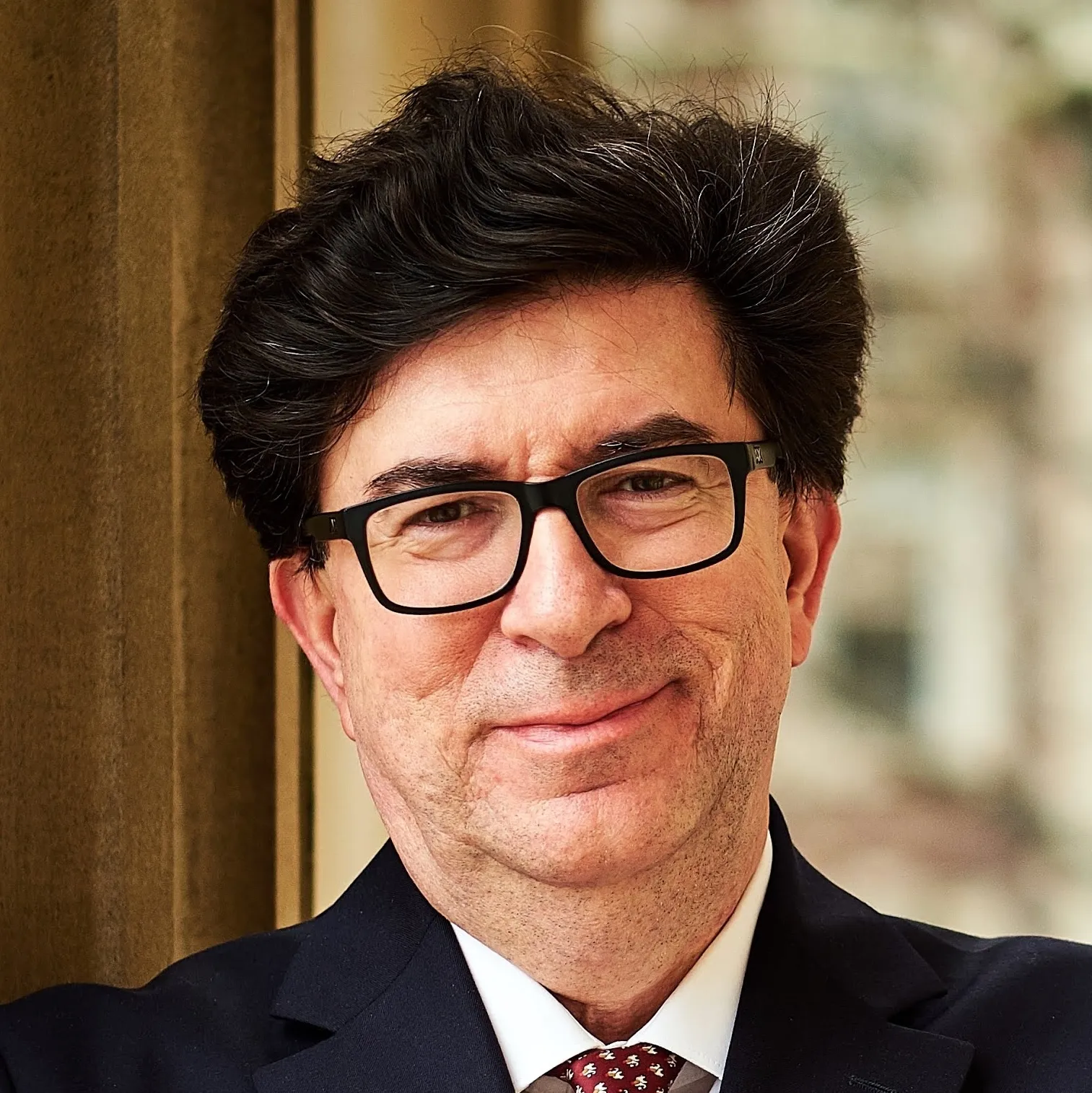
George Deodatis
Vice Dean for Research, School of Engineering and Applied Science, Santiago and Robertina Calatrava Family Professor of Civil Engineering and Engineering Mechanics, and Professor of Earth and Environmental Engineering
George Deodatis applies probabilistic methods and uncertainty quantification to assess the safety, reliability, and risk of civil infrastructure exposed to natural and technological hazards. His research addresses the impact of earthquakes, extreme weather, and climate change on structures, aiming to inform adaptation and mitigation strategies. He develops novel techniques for simulating stochastic processes and fields to model uncertainties in loads, material properties, and environmental effects, with applications across earthquake, wind, and offshore engineering, as well as materials science, oceanography, finance, and related fields.
Deodatis earned a Diploma in Civil Engineering from the National Technical University of Athens in 1982, and MS and PhD degrees from Columbia University in 1984 and 1987. He began his academic career at Princeton University, advancing to Associate Professor with tenure, and joined Columbia University in 2002. He is currently the Santiago and Robertina Calatrava Family Professor of Civil Engineering, and Vice Dean for Research in the School of Engineering and Applied Science. Previously, he chaired the Department of Civil Engineering and Engineering Mechanics (2013–2019) and holds a joint appointment in Earth and Environmental Engineering.
Deodatis has served as President of the International Association for Structural Safety and Reliability (2009–2013) and of the Engineering Mechanics Institute of ASCE (2017–2019). His honors include the IASSAR Distinguished Research Award (2025), the ASCE Alfred M. Freudenthal Medal (2024), Distinguished Member of ASCE (2023), Fellow of the Engineering Mechanics Institute (2014), and multiple teaching and research awards from Columbia, Princeton, NSF, and professional societies, including Columbia’s Presidential Teaching Award (2009), the ASCE Walter L. Huber Research Prize (1998), Princeton’s Presidential Award for Distinguished Teaching (1995), and the NSF Young Investigator Award (1992).