
CIEN E3004: Urban Infrastructure Systems
Learn how to design smart, sustainable infrastructure systems to tackle real-world urban challenges in this practical course.
Course Overview
Cities are facing increasing societal challenges, including climate change, rapid urbanization, and resource scarcity. The course provides an introduction to the civil infrastructure systems that support the socioeconomic activities of cities, and to fundamental infrastructure system design and analysis methods. It covers a wide range of topics including water resources, transportation, buildings, and energy infrastructure. Emphasis is placed on the purposes that these systems serve, the factors that influence their performance, the basic mechanics that govern their design and operation, and the impacts that they have both regionally and globally.
The course centers on practical, group work. Working as a team, you will complete a design analysis project on a large-scale urban development site in New York City. This project will cover water resources and environmental engineering, geotechnical engineering, and construction engineering and management topics.
By the end of this course, you’ll have a deep appreciation for the vital role that infrastructure systems and civil engineers play in society. You’ll be able to characterize each infrastructure system and describe their key design management parameters and performance measures. You’ll also know how to apply basic design and analysis methods in order to develop, compare and recommend systems that are technically smart, environmentally sensitive, and socially aware.
Course Instructor
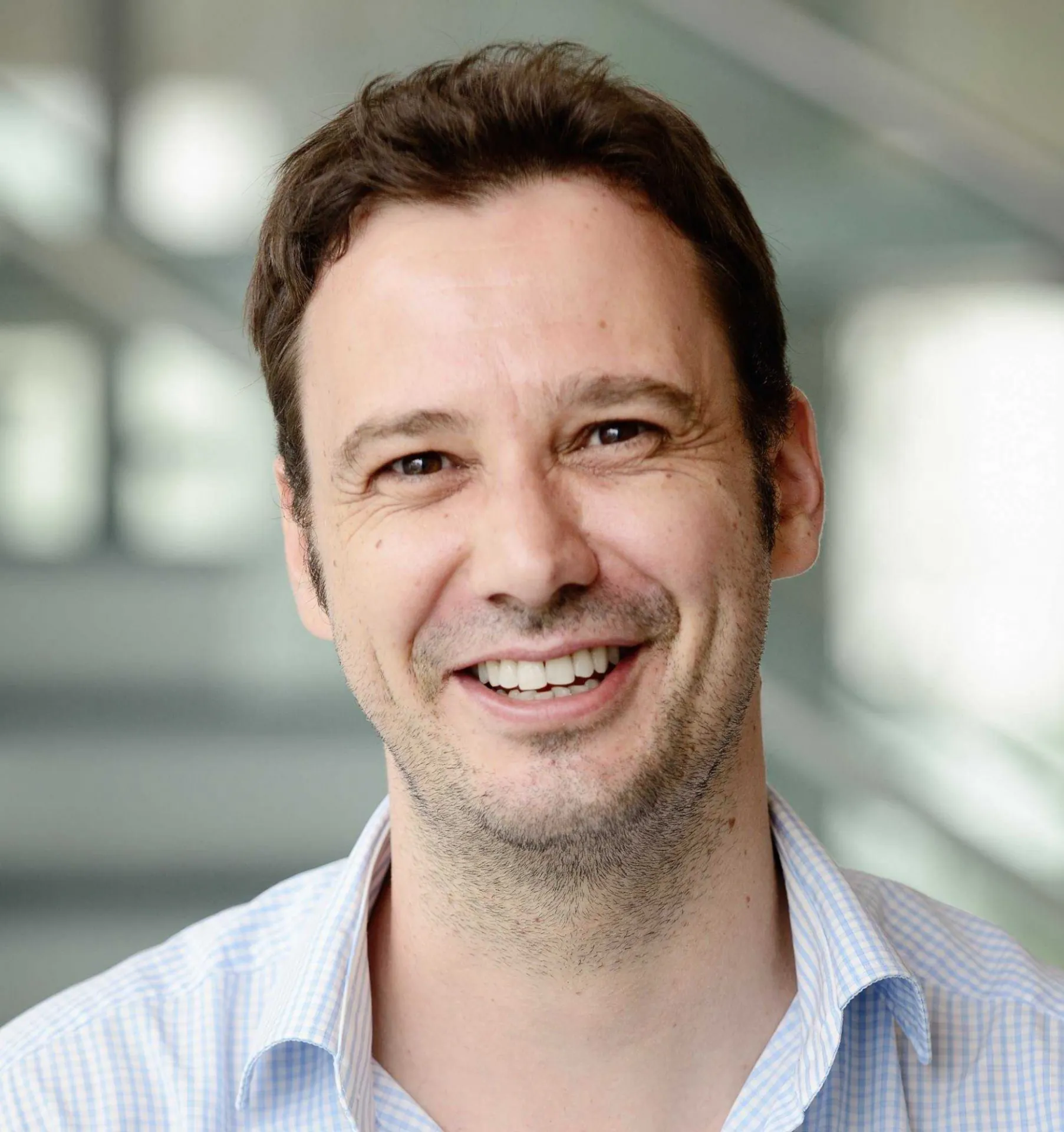
Markus Schläpfer
Assistant Professor
Markus Schläpfer is an Assistant Professor in the Civil Engineering and Engineering Mechanics Department. He received his MSc and PhD from ETH Zurich, after which he performed research in urban analytics at MIT’s Senseable City Lab and in complexity science at the Santa Fe Institute. Before joining Columbia, he was a Principal Investigator at the ETH Future Cities Laboratory and an Assistant Professor (adjunct) at the Nanyang Technological University in Singapore.
His research goal is to develop a science-based understanding of cities and use these insights to design people-centric, efficient, and resilient urban infrastructures. To achieve this goal, Schläpfer and his research group combine new urban analytics and complexity science approaches with state-of-the-art infrastructure engineering techniques.
Schläpfer's work has been published in top-tier journals such as Nature (twice), and has been covered in the media worldwide. In addition, he has won several prizes, including first prize in the Data for Development Challenge (2015), and finalist in the Falling Walls Science Breakthrough of the Year (2021). He has also hosted a TEDx speaker on the hidden role of people in understanding how cities work.