
EACE E3255: Environmental Control and Pollution Reduction
Explore the science and engineering behind air pollution control.
Course Overview
This course offers an introduction to air pollution control and the processes under development that seek to address this global climate issue, with particular emphasis on carbon dioxide (CO2) capture and conversion.
Through practical application, you will examine the critical role of heterogeneous catalysis in enhancing reaction efficiency and reducing harmful byproducts across sectors such as transportation, power generation, and chemical manufacturing. This includes the abatement of toxic pollutants from vehicles, power plants and chemical/petroleum processes. The course also introduces emerging clean energy technologies, including fuel cells and their commercial viability.
Through case studies, analysis of current literature and U.S. patents, and team-based projects, you will apply fundamental engineering principles to develop practical solutions to environmental challenges. Emphasis is placed on diagnostics, real-world problem-solving, and understanding failure modes. The technical knowledge and practical skills you will develop on this course will help prepare you to transition to professional practice.
Basic knowledge of thermodynamics as well as a solid foundation in chemistry, physics and calculus is required to take this course.
Course Instructor
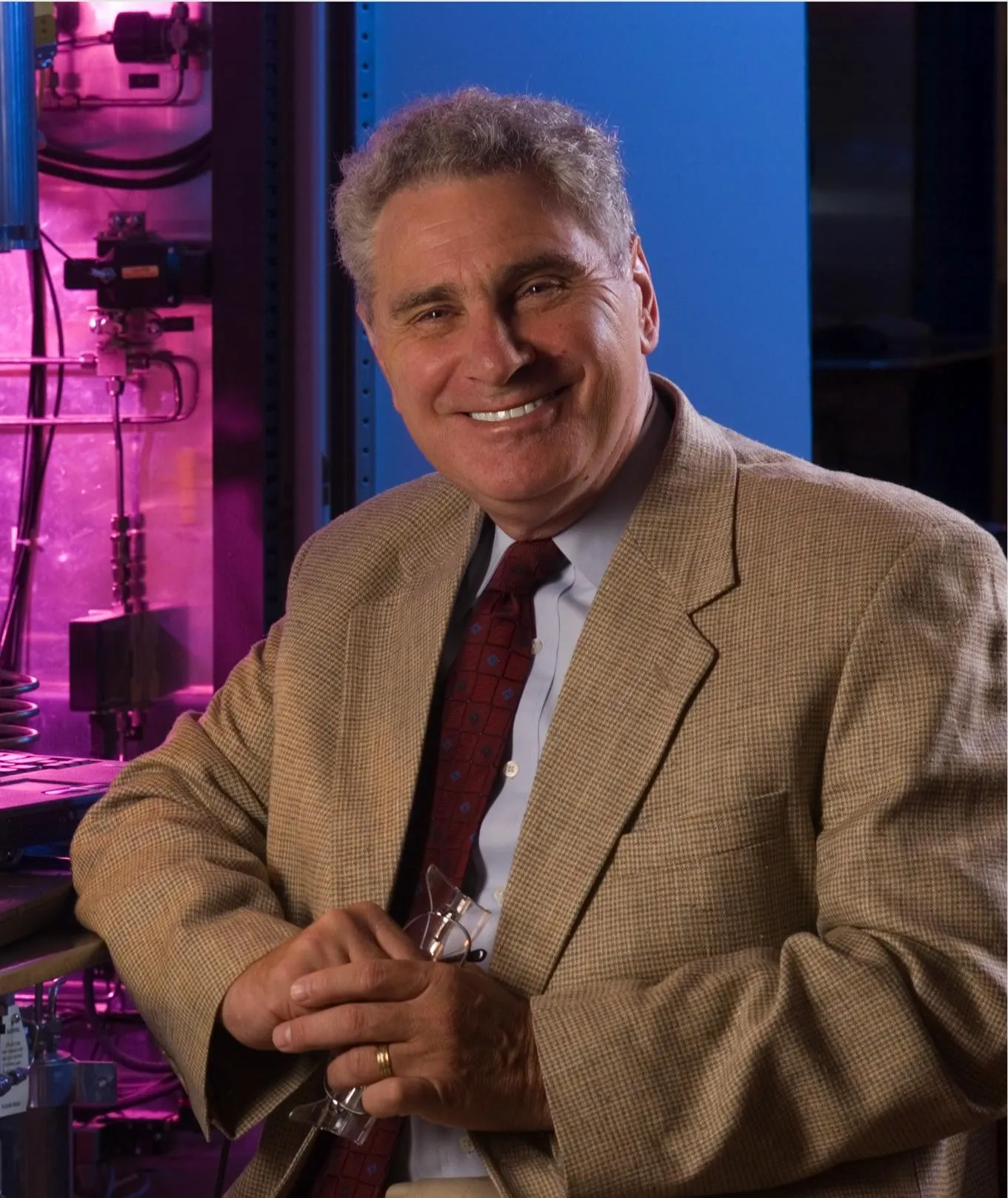
Robert J. Farrauto
Professor of Professional Practice in Earth and Environmental Engineering
Robert (Bob) Farrauto, PhD, utilizes his 40+ years of industrial catalysis experience to train graduate and undergraduate students in applied environmental catalysis. During his industrial career, he commercialized a number of advanced materials for automotive emission control, specialty chemicals and hydrogen generation. His team invented, patented and commercialized the first precious metal-free monolithic diesel oxidation catalyst, first commercialized in 1994 for trucks in the US. Upon retiring in 2012 from BASF (formerly Engelhard) as a Vice President of Research in 2012, he was appointed Professor of Professional Practice in the Earth and Environmental Engineering (EEE) Department at Columbia University. The goal of his team’s research is the development of new materials and catalysts for a sustainable environment. The group’s current research focuses on advanced materials for direct capture of CO2 from air and its catalytic conversion to fuel or enhanced desorption.
He is the author of over 150 journal articles, holds 56 U.S. patents, co-authored three textbooks, and has a Google Scholar h-index of 60. Bob is a senior member of the National Academy of Inventors and a recipient of numerous research and teaching awards, including Columbia’s Distinguished Faculty Teaching Award (2016) and the AIChE Catalysis and Reaction Engineering Practice Award (2005).