
CEOR E4011: Infrastructure Systems Optimization
Learn how to design smarter systems using tools in optimization, modeling, and analysis on this innovative, data-driven course.
Course Overview
As modern infrastructure grows increasingly complex and data-rich, the ability to make informed, data-driven decisions is essential for engineers. This course will equip you with the optimization and data science tools and techniques needed to design, plan and manage systems that are both efficient and resilient.
You will explore topics in optimization, data analysis and computational modeling. Through practical application, you will learn how to formulate and solve real-world optimization problems, ranging from transportation networks to energy systems and water resource management. Using Python as the primary programming language, you will gain hands-on experience with model development, data preparation, and algorithmic problem-solving.
By the end of the course, you will be able to identify opportunities for optimization in infrastructure systems, structure problems appropriately, and apply computational tools to generate and evaluate solutions. You will also build practical experience with industry-relevant tools and programming techniques that are increasingly in demand across engineering and data science roles.
This course is designed for both graduate and select senior undergraduate students who have basic knowledge of linear algebra, probability and statistics, engineering economics, spreadsheet analysis, and programming. Enrollment is subject to the instructor’s permission.
Course Instructor
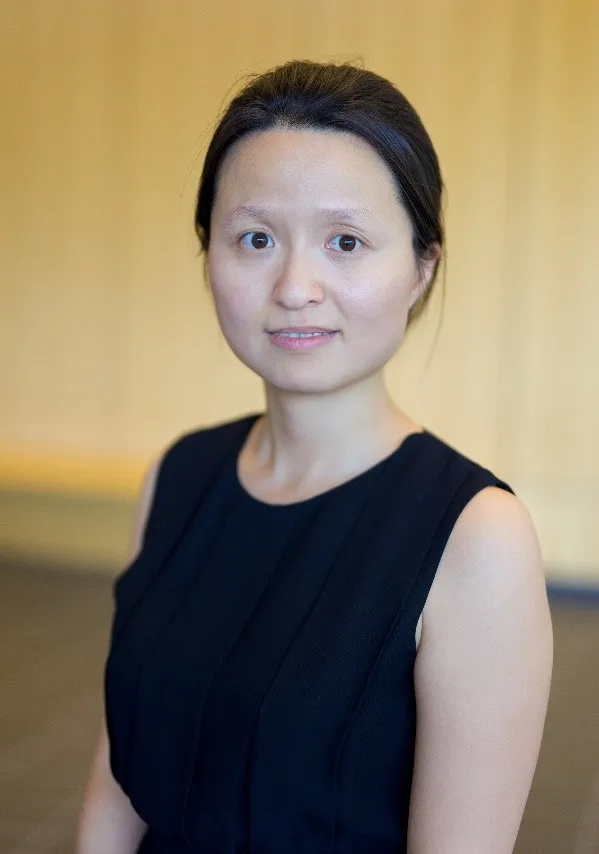
Xuan (Sharon) Di
Associate Professor
Dr Xuan (Sharon) Di is an Associate Professor in the Department of Civil Engineering and Engineering Mechanics at Columbia University, and co-chairs the Smart Cities Center in the Data Science Institute. Di directs the Data and innovative technology-driven Transportation Lab (DitecT), which focuses on transportation systems. Her overarching research mission is to empower mobility for all, emphasizing the use of technology for social good. She is currently focused on pioneering the development of digital twins for urban transportation management, leveraging cyber-physical systems technology. Within this framework, her research spans diverse areas, including multi-modal mobility optimization, autonomous vehicle control on shared roads with humans, and the intersection of transportation with health considerations.