
CIEN E4012: Sustainable Urban Systems Engineering
Learn how to manage the complexities of modern cities and design sustainable, people-focused civil infrastructure systems.
Course Overview
Cities are facing increasing societal challenges, including climate change, rapid urbanization, and resource scarcity. At the same time, urban infrastructures – such as transportation networks, buildings, energy, and water supply systems – are highly interdependent and particularly connected to human behavior and how individuals use urban space. As such, civil engineers responsible for the sustainable design of these systems need to broaden their approach towards more people-centric methods that are able to deal with the increasing complexity of cities.
This course will equip you with the comprehensive toolset to harness new types of urban data and predict people-driven, bottom-up infrastructure demands. You will learn how to evaluate different design options for integrated infrastructure systems, focusing on their socioeconomic and environmental sustainability. You’ll cover modeling and simulation of interdependent urban infrastructures and how their performance affects and is affected by the socioeconomic and environmental performance of cities. Topics include urban analytics, urban complexity science, integrated infrastructure modeling, and simulation.
By the end of this course, you’ll be equipped to address the growing complexity of urban environments and the core challenges involved in designing integrated civil infrastructure systems that are both sustainable and centered on human needs.
Course Instructor
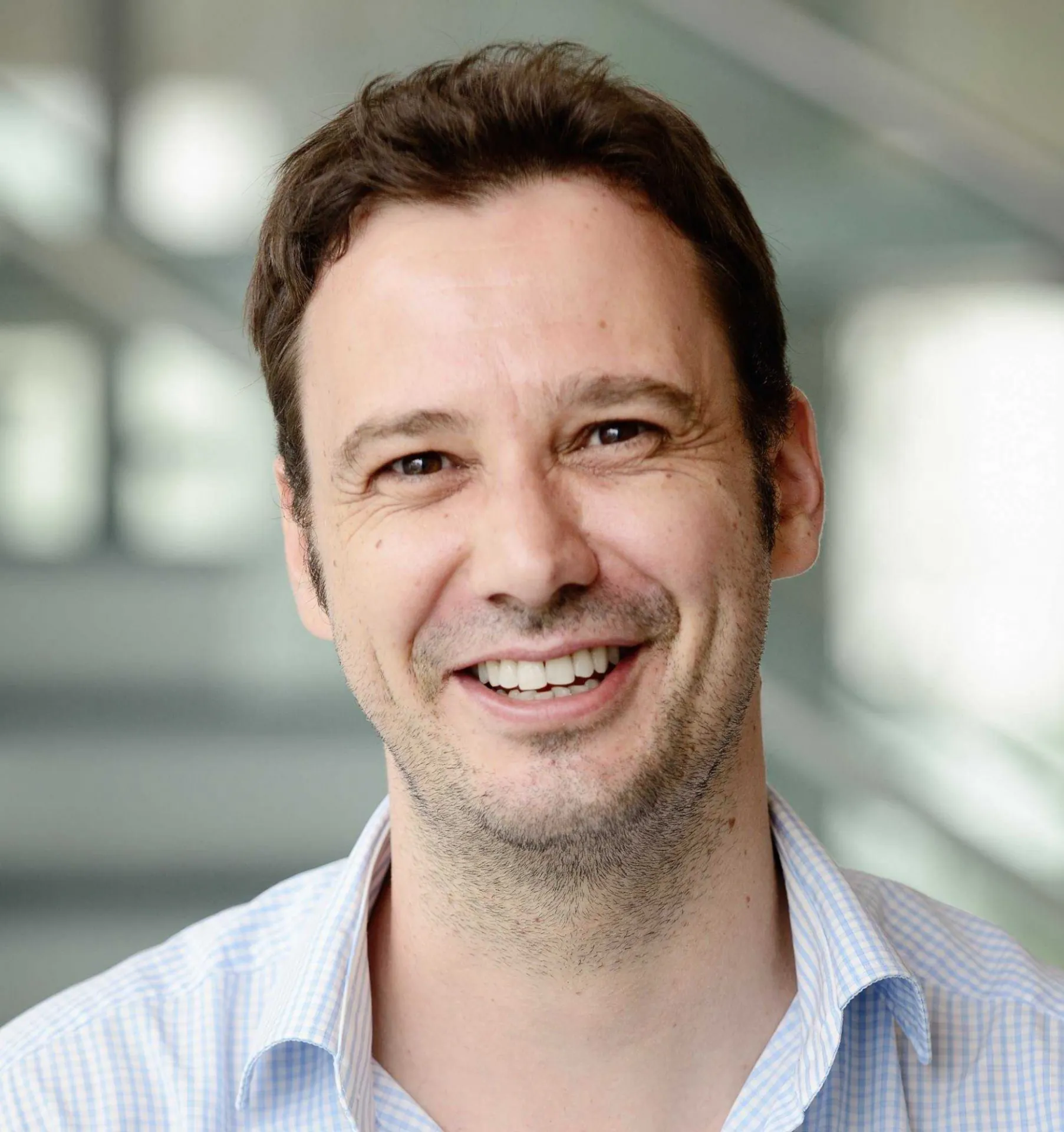
Markus Schläpfer
Assistant Professor
Markus Schläpfer is an Assistant Professor in the Civil Engineering and Engineering Mechanics Department. He received his MSc and PhD from ETH Zurich, after which he performed research in urban analytics at MIT’s Senseable City Lab and in complexity science at the Santa Fe Institute. Before joining Columbia, he was a Principal Investigator at the ETH Future Cities Laboratory and an Assistant Professor (adjunct) at the Nanyang Technological University in Singapore.
His research goal is to develop a science-based understanding of cities and use these insights to design people-centric, efficient, and resilient urban infrastructures. To achieve this goal, Schläpfer and his research group combine new urban analytics and complexity science approaches with state-of-the-art infrastructure engineering techniques.
Schläpfer's work has been published in top-tier journals such as Nature (twice), and has been covered in the media worldwide. In addition, he has won several prizes, including first prize in the Data for Development Challenge (2015), and finalist in the Falling Walls Science Breakthrough of the Year (2021). He has also hosted a TEDx speaker on the hidden role of people in understanding how cities work.