
CEEM Seminar | Costas Synolakis | USC
Why we should plan for the worst case realistic disaster scenario when lives are at stake
Over the past 35 years, major natural disasters have driven significant advances in scientific understanding, engineering practice, and risk communication - often in response to catastrophic failures. Insights from events such as the 1992 Nicaragua and Flores tsunamis, the 2004 Sumatra earthquake and tsunami, the 2011 Tohoku disaster, and more recent wildfires and floods have repeatedly challenged existing models, leading to improvements in hazard assessment and numerical simulation.
These events highlight that disasters are rarely truly unpredictable; instead, they reveal gaps in imagination, modeling assumptions, and institutional preparedness. Failures such as Fukushima demonstrate how inadequate hazard analysis and engineering decisions can escalate into systemic crises, while tragedies in places like Mati, Lahaina, and Texas underscore the importance of effective warning systems, evacuation planning, and public response.
Despite progress (including the development of global tsunami warning systems), ongoing challenges remain in risk communication, resilient infrastructure design, and emergency management. Strengthening resilience ultimately depends not only on technological advancement, but on societal commitment to continuous education, realistic planning for worst-case scenarios, and the integration of scientific knowledge into decision-making to bridge the gap between knowledge and action.
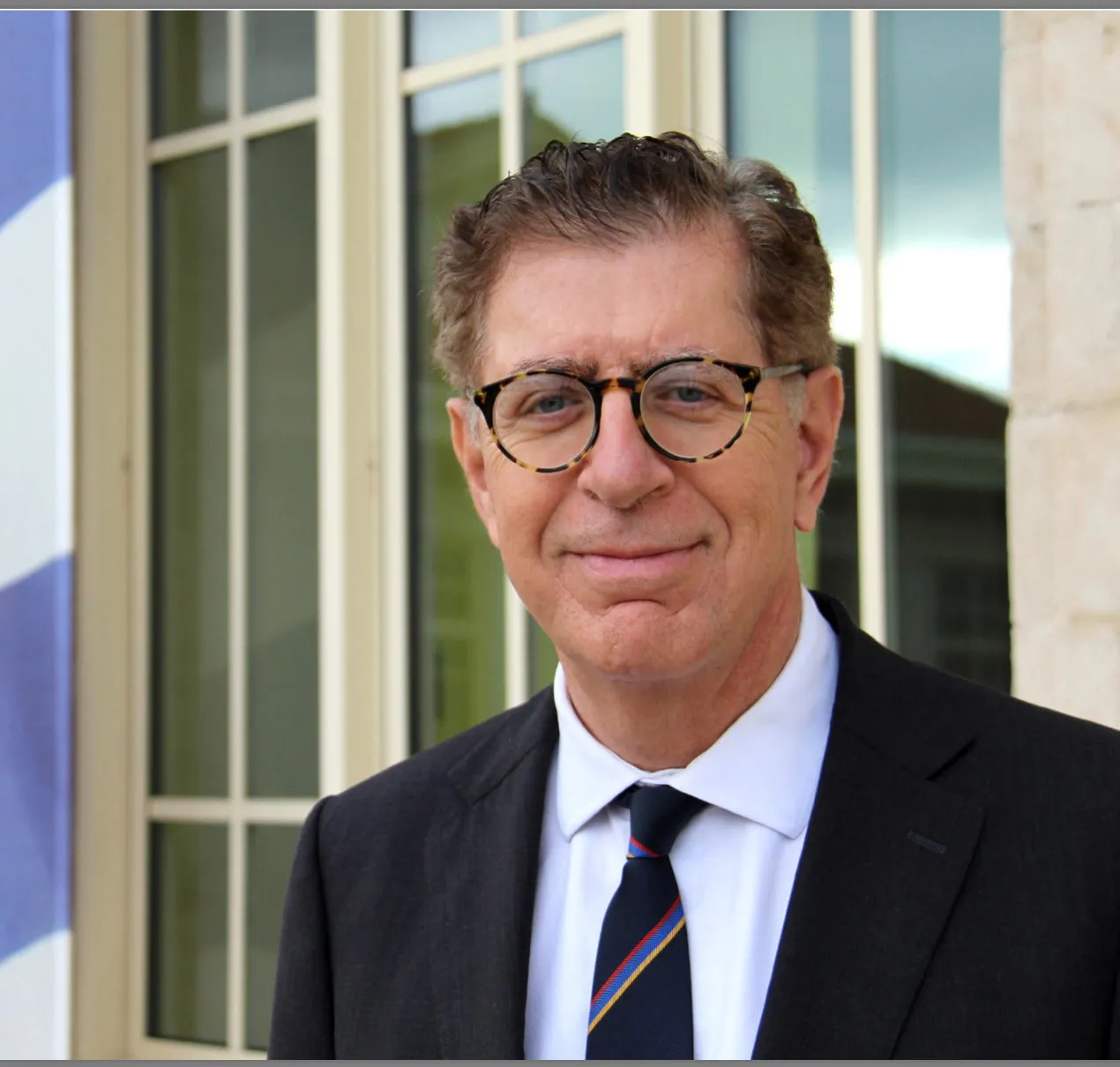
Costas Synolakis
Costas Emmanuel Synolakis is the Gordon M. Marshall Professor of Civil, Environmental, Aerospace, and Mechanical Engineering at the USC Viterbi School of Engineering, where he founded the USC Tsunami Center in 1996. He obtained all his degrees from Caltech, where he and his students developed most the suite of codes that is used for operational tsunami forecasts by the National Weather Service. Synolakis is a world-renowned authority on natural hazards, and was elected to the National Academy of Engineering in 2023 for developing predictive models and early warning systems for tsunamis and advising policymakers on hazard management. In 2016, he was elected a regular member of the Academy of Athens, where he served as Secretary of the Division of Natural Sciences until 2025. Synolakis honors include the EGU Sergey Soloviev Medal, the ASCE Moffatt and Nichol and the International Coastal Engineering Awards and the Hamaguchi Award for Tsunami/Coastal Disaster Resilience Technology. He considers the implementation of Greece’s 112 wireless alert system which sends early warning and evacuation messages as his greatest contribution.